

5 activities to experience a wedding differently
A wedding doesn’t have to be a tightly scheduled sequence of moments. Beyond the ceremony, the cocktail hour, and the party, more and more couples are looking for ways to live the day more calmly — with more shared time and fewer rigid plans. Adding small activities throughout the day can give the celebration rhythm, create natural meeting points, and help guests feel part of the experience, without turning the wedding into a full-blown agenda.
1. A welcome activity that breaks the ice
The first moments of a wedding can feel a little awkward: people arrive gradually, groups don’t necessarily know each other, and the atmosphere can still feel a bit scattered. Introducing a simple welcome activity helps soften that initial moment and brings guests together naturally, without forced announcements or over-the-top dynamics.
It doesn’t need to be complicated. It can be something that gently accompanies arrivals: a calm welcome drink, a short outdoor activity, a small walk, or a space designed for people to pause, look around, and start conversations. The goal isn’t entertainment — it’s creating a first natural point of connection.
2. A shared moment before the meal
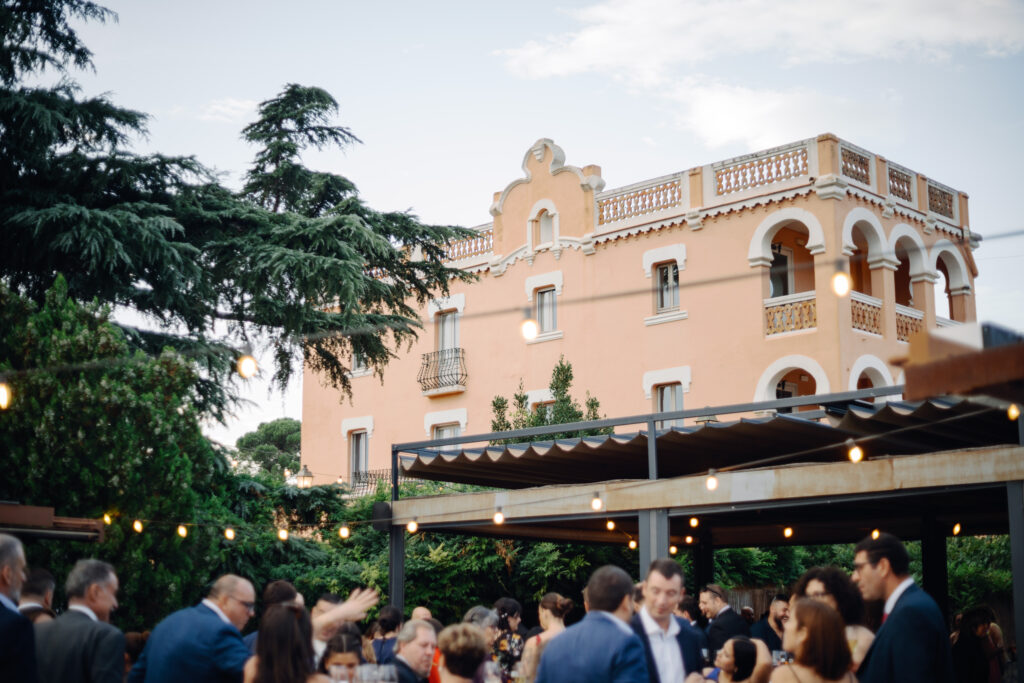
Between arrival and sitting down to eat, there’s often a stretch of time that can go unnoticed or feel a bit undefined. Planning a shared moment before the meal helps bring continuity to the day and lets the celebration flow without rushing.
This isn’t about adding a formal extra. It’s about creating an active pause that gathers everyone into the same moment. It could be something brief and open — a shared toast, a small tasting, or a simple voluntary game. For example, a short prompt that invites interaction between tables or groups — designed so guests naturally come together before moving into the meal.
3. Activities that connect with the place
Some activities only make sense in a specific setting. Including ideas that draw from the surroundings helps the wedding feel less interchangeable, more rooted in where it’s happening. They don’t need to be big productions — often, the simplest proposals work best.
In outdoor settings linked to nature, these activities can be very simple: a short walk through the vineyards before the meal, a small tasting of local wines shared informally, or a moment designed for guests to discover and breathe in the place calmly. It can also be an activity connected to the landscape, the land, or whatever is happening — naturally woven into the flow of the day.
4. Ideas that guests can drive
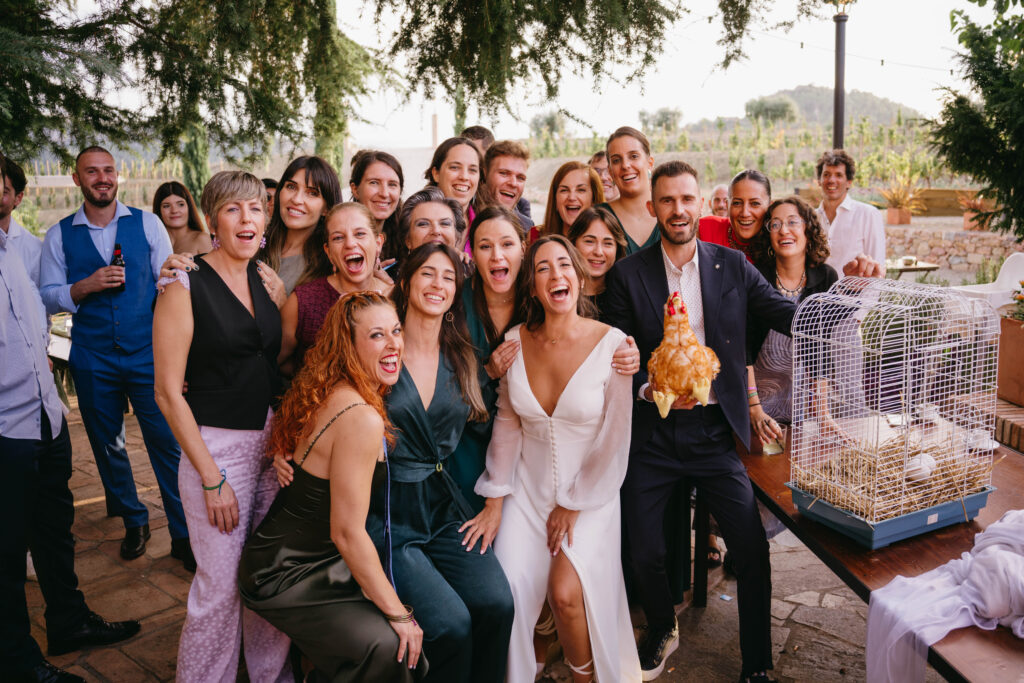
At a wedding, guests can also play a more active role than simply attending and celebrating. Sometimes, small initiatives started by friends or family end up creating some of the most fun and personal memories of the day.
This could be a question game to help people get to know the couple better, a table-to-table dynamic to connect groups who don’t know each other, or an activity designed to spark conversations if people feel like joining in. The key is to keep them light and not overly planned — they work best when they feel spontaneous, optional, and adapted to the tone of the celebration.
5. Before the celebration begins
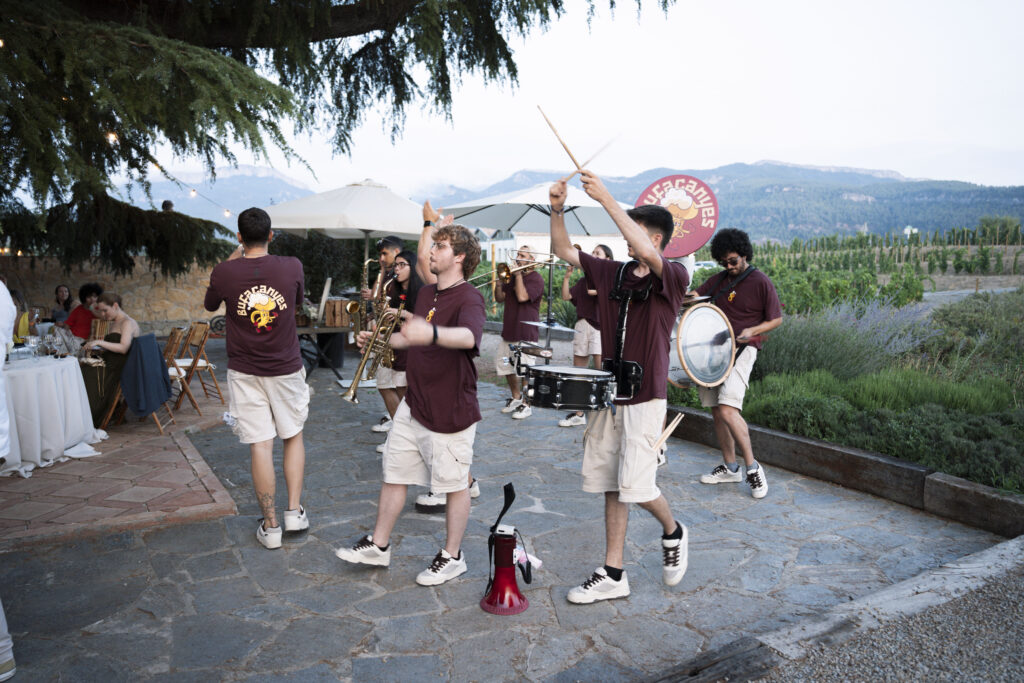
The moment after dinner is ideal for introducing slightly more festive ideas — just before the dance floor becomes the main focus. These activities help lift the group’s energy, build a sense of complicity, and make the transition into the party feel natural.
Short games, collective dynamics, or proposals that invite laughter and movement help break any remaining formality. They work especially well when they’re optional, easy to understand, and don’t interrupt the flow of the night — they simply join in and help it grow.
Every wedding is different, and there are many ways to approach it. These are just a few ideas that can be adapted to each couple’s way of celebrating. If you’d like to talk about how to fit them into your day, you can contact us — we’ll be happy to help!